Marketing & Business Growth
Ancillary Revenue That Actually Pays: Camp Stores, Rentals, Firewood, and Experiences
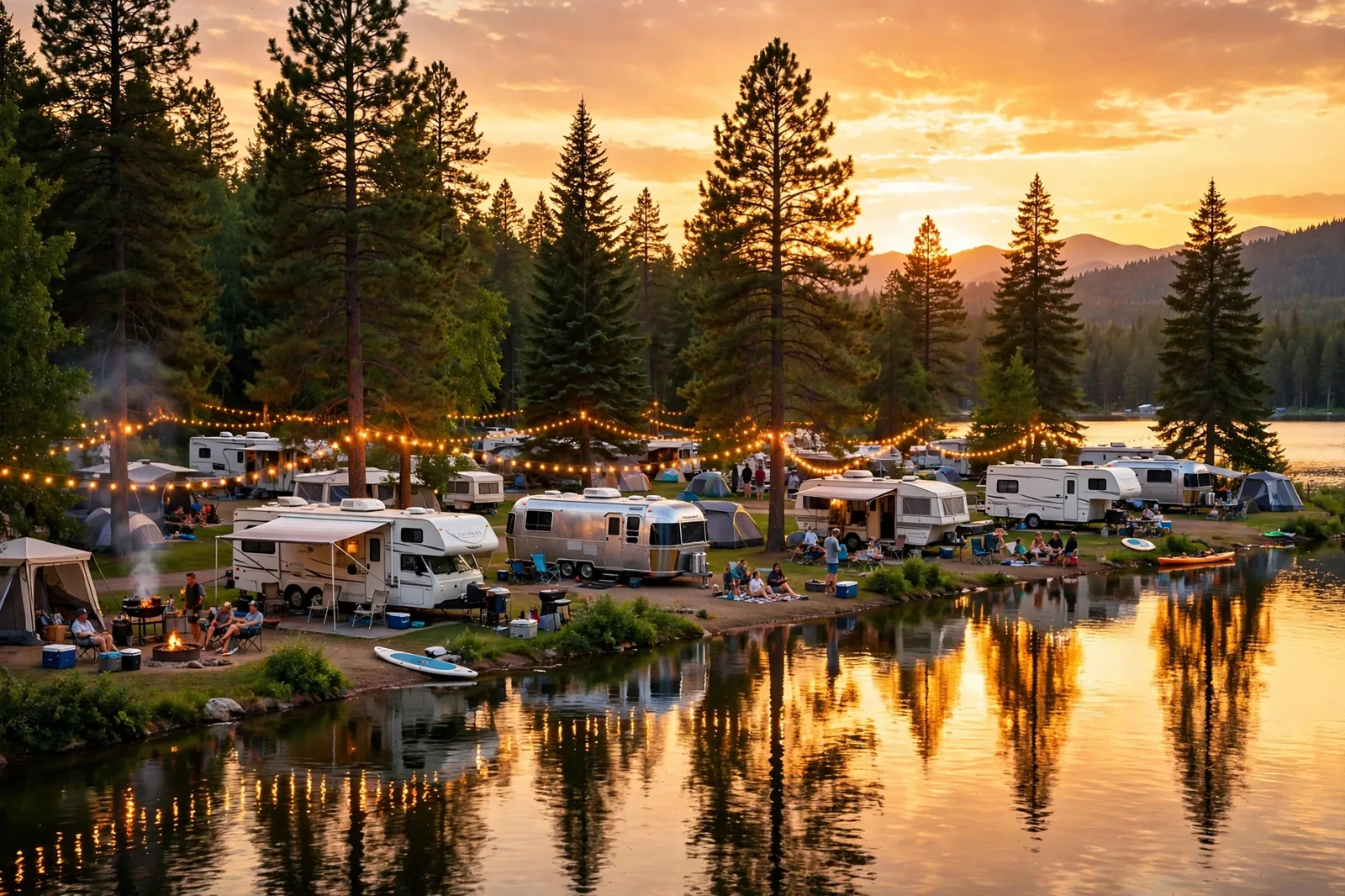
Every park has the same quiet opportunity: the guest is already here, already in a spending mood, and already needs things. The question is never whether guests will spend money during a stay. It's whether they spend it with you or at the dollar store two exits back.
Fact: KOA's Camping & Outdoor Hospitality Report found that campers spent an estimated $66 billion in local communities in 2025, and that average daily spending per person, excluding accommodations, ran over $200. Most of that money currently leaks off your property — to grocery stores, outfitters, and restaurants in town. Ancillary revenue is simply the work of capturing a fair share of spending that is already happening.
Our take: the parks that do well at this don't have bigger stores. They have fewer, better-chosen items, priced fairly, tracked by margin instead of gross sales. Here's how the main categories tend to shake out.
Firewood: the unglamorous champion
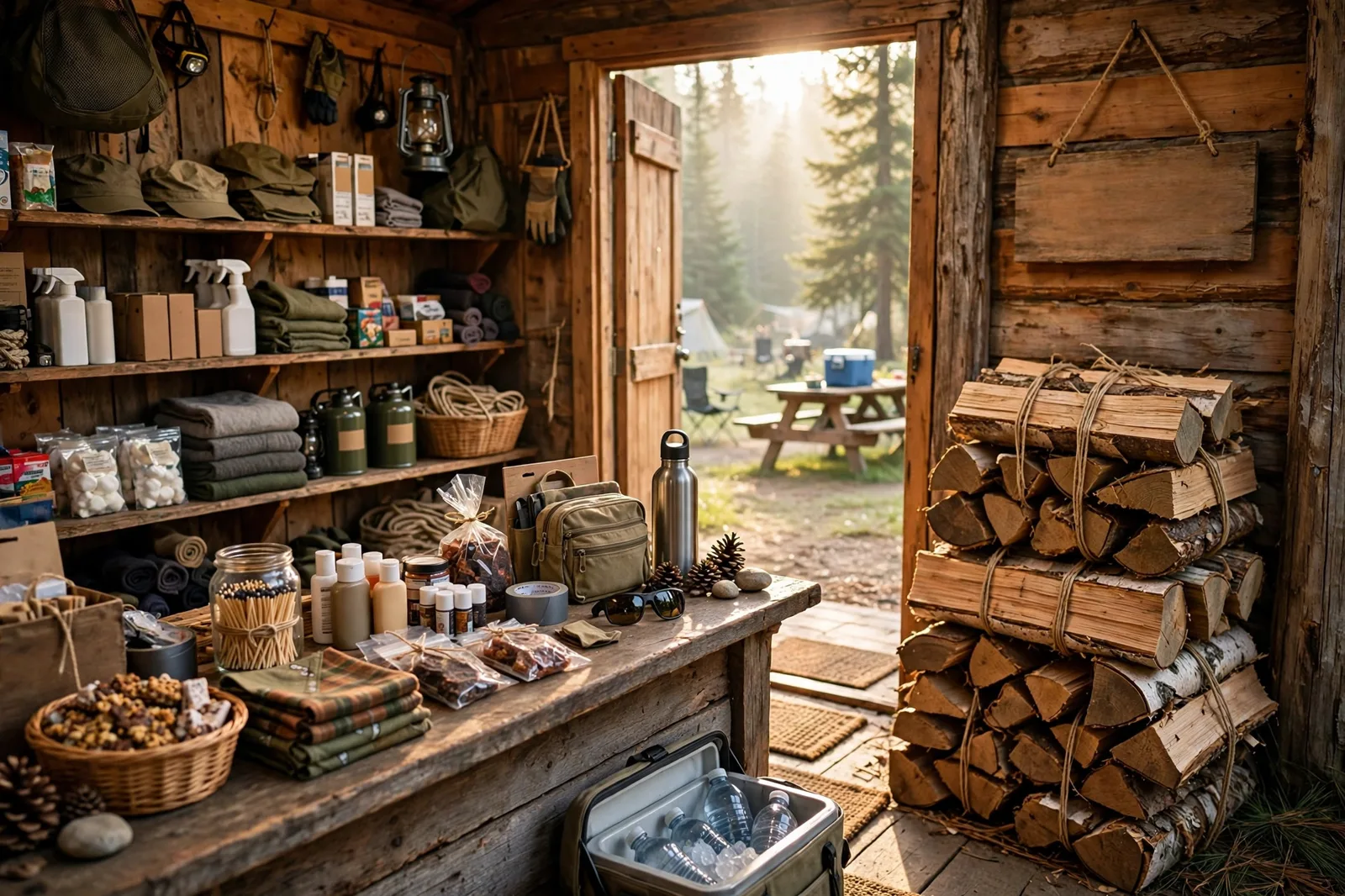
Firewood is usually the highest-margin, lowest-effort ancillary item a park sells. Guests can't fly with it, many states restrict transporting it across state lines because of invasive pests, and nobody wants to leave the park at 7 p.m. to hunt for a bundle.
Illustrative example — assumptions stated: a 60-site park at 55% seasonal occupancy sells one $8 bundle to roughly one in three occupied sites per night, at a $3.50 per-bundle cost from a local supplier. That's about 20 bundles a night, $90 a night in margin, and roughly $13,000 across a 150-night season — from one pallet stack and an honor box or a line at checkout. Your numbers will differ; run them with your own occupancy and supplier cost before you believe any of it, ours included.
The operational notes matter more than the math: keep bundles dry and off the ground, price them at or near the local going rate (guests check), and never let firewood sales pressure you into allowing outside wood your state discourages.
The camp store: staples, not souvenirs
The store mistake we see most is stocking what looks fun instead of what guests actually run out of: ice, marshmallows and s'mores fixings, sunscreen, bug spray, batteries, basic pain relief, milk, eggs, bread, and the one charging cable everybody forgets.
Our take: a small store earns its keep three ways — direct margin on staples, saved trips that keep guests on property (and happier), and fewer after-hours knocks on the owner's door for emergencies a $4 item would have solved. Souvenirs and apparel can work, but they're the last thing to add, not the first: they tie up cash in sizes and designs that may not move. If you stock them, start with one design, few sizes, and reorder only what sells.
Track the store the way you'd track sites: what's the margin per square foot, what expires before it sells, and what's always out of stock on Saturday. Expiration shrink quietly eats the profit of more camp stores than theft does.
Rentals: kayaks, bikes, carts, and gear
Rentals pay when three things line up: your location gives the item a reason to exist (water for kayaks, trails or spread-out acreage for bikes and golf carts), the rental price reflects maintenance and replacement — not just purchase cost — and somebody owns the check-out, check-in, and cleaning routine.
Illustrative example — assumptions stated: four kayaks at $600 each, rented at $35 per half-day, averaging five rental days per boat per month across a five-month season, gross about $3,500 against $2,400 of purchase cost plus life jackets, paddles, and a rack. That's a plausible first-season payback — but only if the boats actually go out five days a month. At two days a month, the same fleet takes over two seasons to pay back and you've stored kayaks all winter for the privilege. The lesson isn't "buy kayaks." It's "estimate utilization pessimistically, then decide."
Golf carts deserve a special warning: they're popular, rentable, and a genuine liability and maintenance commitment. If you rent carts, written rules, deposits, and a charging/maintenance routine are part of the product, not paperwork afterthoughts.
Experiences: sell the evening, not just the site
Guided night hikes, stargazing nights, fishing clinics, craft sessions for kids, food-truck evenings, and local-music nights do double duty: some produce direct revenue (ticketed events, vendor fees, increased store sales that night), and all of them produce the thing that actually drives a park's income — guests who stay an extra night and come back next year.
Fact, again from the KOA report: campers consistently rank simply being in nature and slowing down among their top reasons for camping. Experiences that lean into that — quiet, place-based, unhurried — fit what guests say they came for better than a packed activities calendar.
Our take: start with one recurring event you can run well every week rather than five you run badly. Charge where charging is natural (a guided paddle, a catered cookout), keep some things free where the payoff is goodwill and longer stays, and measure both honestly.
The discipline underneath all of it
Whatever you add, run it as its own little business:
- Margin, not revenue. A $10 item that costs $7 and expires is worse than a $6 item that costs $2 and keeps.
- One owner per category. Somebody counts firewood, checks rental gear, and watches store expiration dates.
- Kill what doesn't move. Two seasons of data beats anyone's opinion — including ours.
- Keep it honest. Fair prices on things guests need build the reviews that fill sites. Gouging on ice during a heat wave buys one weekend and costs you a reputation.
Done this way, ancillary revenue isn't a side hustle bolted onto your park. It's the difference between a season that covers its costs and a season that funds next year's improvements.
RVeyOS is currently in development — we're building the system we wished existed for running a park day to day, reservations to reporting. Join the waitlist at rveyos.com for launch updates and early access news.