Campground Operations
Workampers: Hiring, Onboarding, and Keeping Great Campground Hosts

For most small and mid-sized parks, workampers aren't extra help — they're the difference between a season that runs and a season that runs you into the ground. The right couple or solo host can cover your office, your grounds, and your guest relationships with a level of care that's hard to hire any other way. The wrong fit, hired in a hurry in March, can cost you the whole summer.
Here's how experienced operators approach the full cycle: finding them, vetting them, starting them well, and giving them reasons to return.
Write the posting you'd want to read
Workampers choose parks the way guests do — by how the opportunity looks from the outside. Vague postings attract vague applicants. A good posting states plainly:
- The work itself. Office/reservations, grounds and maintenance, cleaning, activities — with honest proportions. "Mostly cleaning bathhouses" said up front beats a surprise in week one.
- Hours and schedule. Hours per week per person, days off, and whether the couple works the same days (most strongly prefer it).
- What's exchanged. Site type and hookups, whether hours beyond the site exchange are paid, Wi-Fi quality, laundry, and any perks — stated specifically, not "great site!" but "full-hookup pull-through, shaded, near the office."
- Your park's reality. Size, pace, nearest town, cell coverage. Workampers talk to each other; honesty in the posting is your reputation in their community.
Interview for fit, not just experience
A workamper's résumé matters less than three qualities: reliability, guest temperament, and how they'll handle the tenth difficult interaction of a holiday weekend. A video call tells you more than any application. Ask about:
- A time a guest was unhappy and what they did.
- How they feel about the unglamorous work — bathhouses at 7 a.m., a sewer issue at 9 p.m.
- What their ideal season looks like: hours, downtime, travel plans mid-season.
- What made them leave (or not return to) a previous park. The answer is a preview of your own exit interview.
Check references from prior parks, and call them. The workamping community is small and park owners are candid with each other. One ten-minute call has saved more seasons than any contract clause.
Also be straight about your non-negotiables — background checks if you require them, pet rules for their rig, arrival date firmness — before anyone drives 800 miles.
The first week decides the season
Most workamper failures are onboarding failures. A new host dropped into a busy weekend with a wave toward the office will improvise — and their improvisation becomes your park's standard. Instead:
- Start before a quiet stretch, not a holiday. Give them days to learn the park at walking pace.
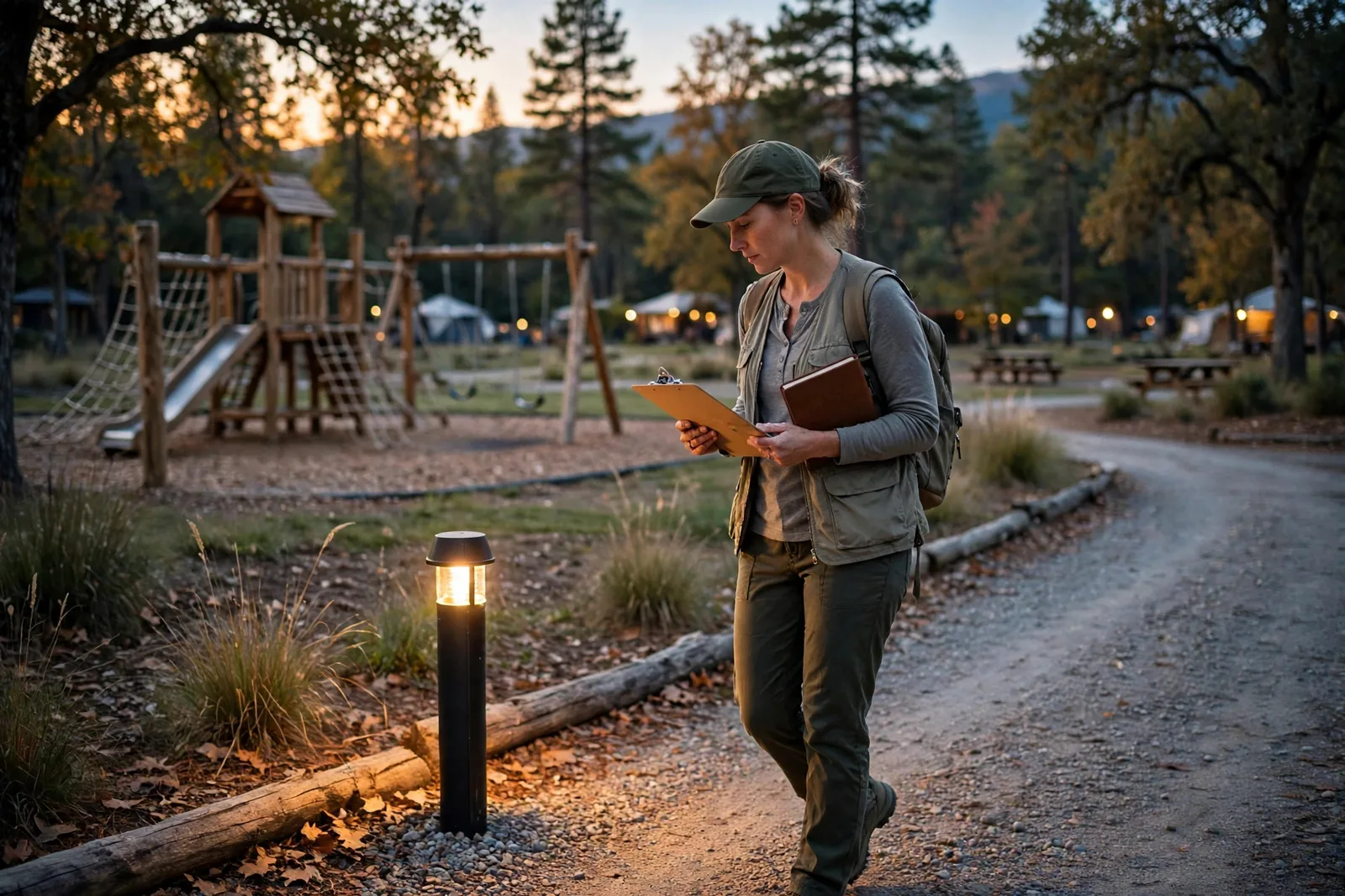
- Walk the whole operation together. Every site number, every hookup quirk, the breaker that trips, the guest who's been coming for nine years and parks how he likes. This local knowledge is the job.
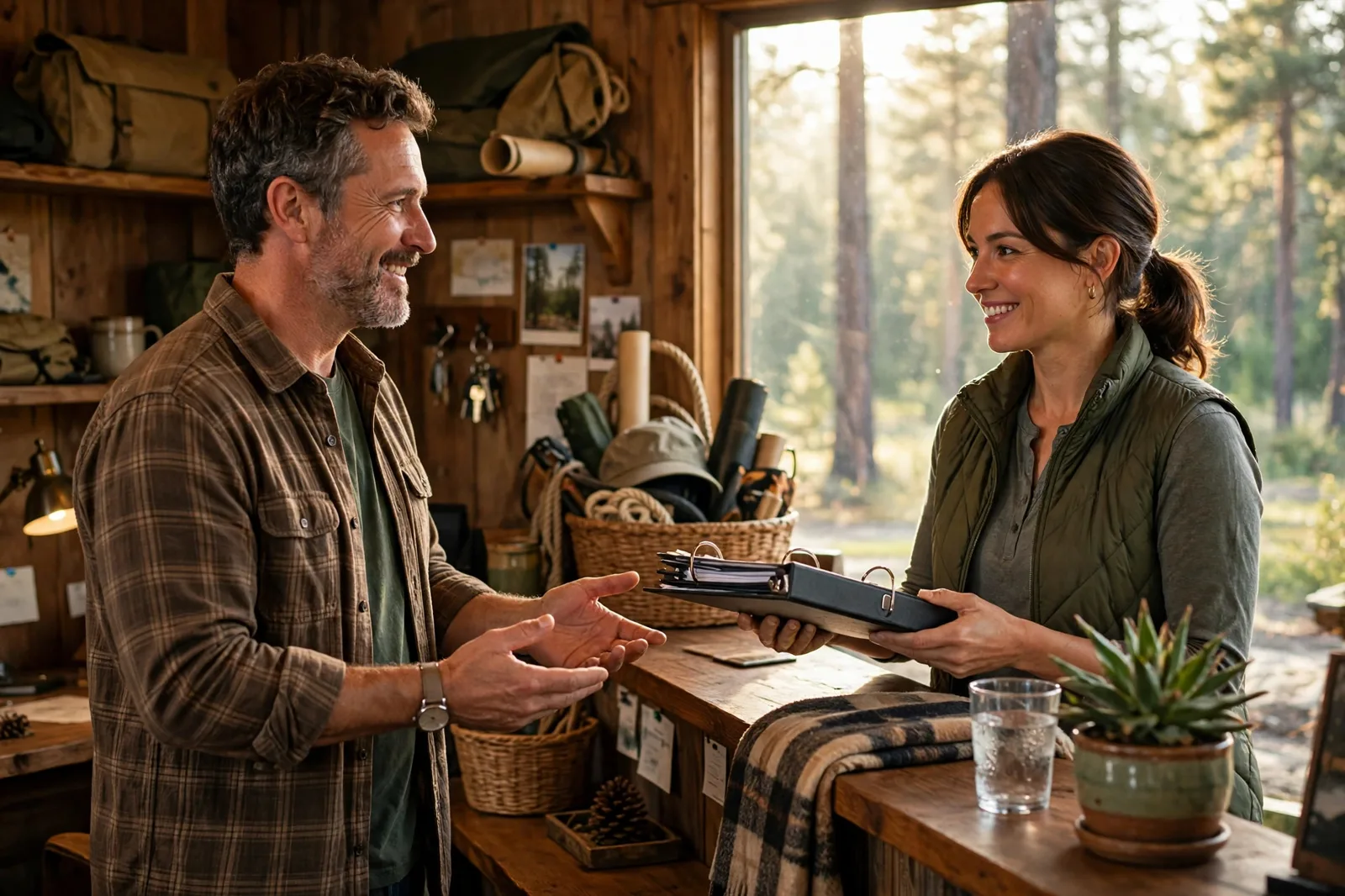
- Put the essentials in writing. Check-in procedure, quiet-hours enforcement, emergency steps, who to call for what. A simple park handbook — even a binder — turns "ask the owner" into "check the book," and it survives turnover.
- Shadow, then be shadowed. They watch you run check-in day one; you watch them run it day three; by the weekend they're flying and you're free.
- Set the communication rhythm. A standing ten-minute morning check-in for the first two weeks catches small misunderstandings before they harden.
Keeping great hosts
Retention is where the real money is. A returning workamper arrives trained, knows your guests, and needs almost no ramp-up. What brings them back is rarely complicated:
- Keep your word. The schedule, hours, and site you promised in February are sacred in July. Nothing burns a park's name in the workamper community faster than a bait-and-switch.
- Respect the exchange. If the deal is hours for a site, don't let "just one more thing" creep the hours upward all season. If extra work appears, pay for it or trade openly.
- Say thank you like you mean it. A mid-season dinner, remembering how they take their coffee, a public word of appreciation to guests — small signals that they're valued as people, not coverage.
- Ask for their eyes. Good hosts see your park fresh. The suggestion box conversation — "what would you fix first?" — surfaces things you've stopped noticing, and people return to places where their judgment is respected.
- Close the season well. A fair end-of-season conversation, an honest reference, and an early invitation for next year — sent before they start browsing winter postings.
The bottom line
Great workampers aren't found; they're built — by honest postings, fit-first interviews, a real first week, and a season that honors the deal you made. Parks that treat workamping as a relationship instead of a transaction stop scrambling every spring. They open the season with people who already know where the breaker box is — and which guest takes site 14 every Memorial Day.
RVeyOS is currently in development, with staff and operations tools designed for how parks actually run — workampers included. It is not yet commercially available. Join the waitlist for launch updates, and read more on the RVeyOS blog.